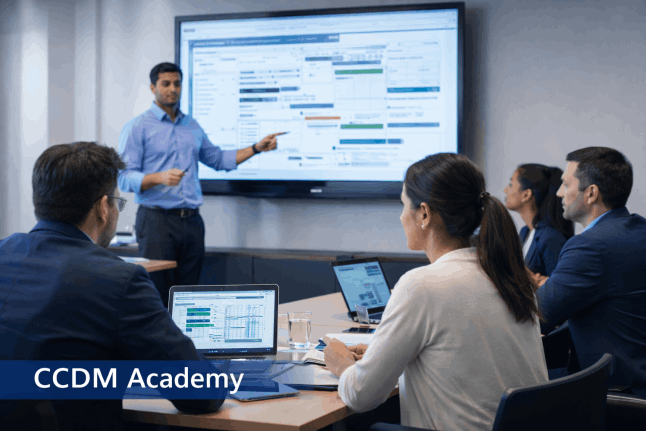
We deliver end-to-end commercial support across diverse contracts and agreements, specialising in dispute resolution and avoidance through cost-efficient tools that minimise risks in cost, claim, and conflict.

Our ADR Specialist guide stakeholders through negotiation, adjudication, mediation, and Arbitration ensuring cost effective conflict avoidance and neutral resolutions of disputes.

Leveraging BIM, cloud tools, and AI integration we collaborate and strategized advance cost modelling and digital transformation for the construction industry and more.
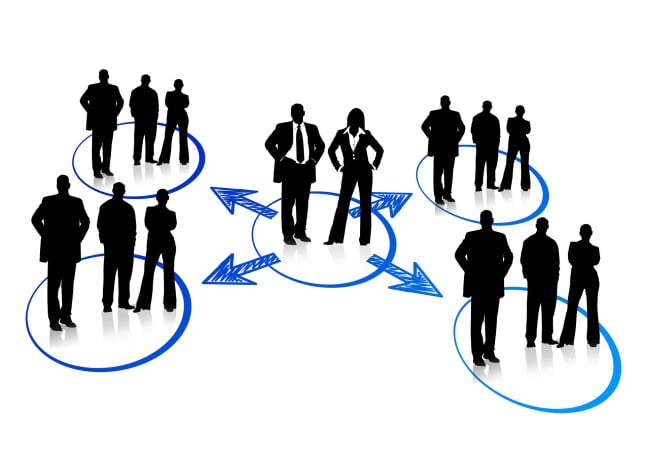
Through publications, events, and partnerships, we promote best practices in dispute management, technology adoption, and sustainable construction and commercial practices that promote Economies, Professionals, Businesses, and Communities.

We support professionals and teams through structured CPD pathways, internal workshops, and targeted legal research-spanning international construction law, commercial law, cross-border disputes, investment law, intellectual property rights, and mergers & acquisitions. Our programs advocate evolving legal /ADR framework, standards and regulatory frameworks in digital and data-driven construction, contract administration of building and infrastructure, Mediation, expert and modern online management.
Delivering Affordable training for students and participants through online distance learning courses, and outreach programs that strengthen capacity across emerging markets.
CCDM framework covers integrated financial planning, cost control, and strategic business and commercial acumen to maximize return on investment and achieve value for money in projects, programs, developments, assignment, procedures, process and organizations. It involves a project lifecycle approach encompassing initial feasibility and cost benefit analysis, cost estimating and/or engineering, budgeting, procurement, contract management, Project value and risk management, contract administration and ongoing monitoring to ensure financial and commercial targets are met.
Claim Management under the CCDM framework is a structured process of identifying, preparing, presenting, negotiating, and resolving claims that arise during a project’s lifecycle-most often in construction, infrastructure, and large‑scale commercial contracts.
It’s not just about reacting when a dispute happens; effective claim management starts early and runs in parallel with project delivery to protect entitlements, minimise risk, and preserve relationships.
CCDM is about protecting resources, resolving issues early, and ensuring fairness in complex projects. Our claim management process is built on transparency, evidence, and efficiency - helping clients recover rightful costs, avoid unnecessary losses, and keep projects moving.
For private investors, CCDM offers a growing market with strong returns through reduced risk, faster settlements, and improved project performance. For public agencies and grant bodies, CCDM delivers measurable social value-promoting equitable dispute resolution, reducing court burdens, and strengthening cybersecurity in sensitive processes.
By combining commercial discipline with public‑interest outcomes, CCDM stands as a constructive investment in both economic performance and community trust.
We welcome collaboration from industry partners, private capital, and innovative public funds to expand the reach and impact of CCDM-ensuring that every claim is managed fairly, efficiently, and for the benefit of all stakeholders.
Cost Claim and Dispute Management (CCDM) is a comprehensive approach to safeguarding project resources, resolving issues early, and ensuring fairness in complex commercial environments.
Through Claim Management, we identify, prepare, and present cost entitlements with precision — protecting budgets, recovering rightful costs, and preventing unnecessary losses.
Through Dispute Management, we address disagreements constructively, using evidence‑based processes and tiered resolution pathways to minimise disruption and preserve relationships.
For private investors, CCDM offers a proven way to protect capital, reduce delays, and enhance returns.
For public agencies and grant bodies, CCDM delivers measurable social value — promoting equitable resolution, reducing court burdens, and strengthening cybersecurity in sensitive processes.
By combining commercial discipline with public‑interest outcomes, CCDM stands as a constructive investment in both economic performance and community trust.
We welcome collaboration from industry partners, private capital, and innovative public funds to expand the reach and impact of CCDM — ensuring every claim is managed fairly, every dispute resolved efficiently, and every stakeholder benefits.
The CCDM course offered by A.Q.S Consultancy is a comprehensive training program designed to equip professionals with the expertise required to mediate complex disputes in construction and commercial environments. It focuses on developing practical skills in mediation and dispute resolution, with a strong emphasis on both foundational principles and advanced techniques.
Participants gain insights into conflict resolution strategies, negotiation methods, legal frameworks, and contract management, while also exploring the intricacies of construction disputes. The curriculum extends to financial and risk management, project coordination, and the role of expert analysis in resolving multifaceted issues. Beyond technical knowledge, the course highlights essential soft skills such as effective communication, ethical practice, and professional development-ensuring participants are well-prepared to operate confidently as mediators.
Key areas of study include international mediation, covering advocacy, commercial and investment disputes, arbitration, and court-annexed processes. It also delves into construction-specific topics like contract law, dispute resolution mechanisms, and project-based mediation. A strong focus is placed on expert and commercial mediation, addressing financial and claim management, contract administration, and strategic risk analysis. The program concludes with modern mediation practices and digital management, incorporating cybersecurity, data protection, AI integration, online mediation techniques, conflict management, and business development for mediators. Altogether, the CCDM course provides a robust and versatile foundation for professionals seeking certification in mediation or aiming to enhance their roles in project management, legal consultancy, or dispute resolution across diverse contexts.
🌍 Licensing of CCDM Regional Divisions — Governance Framework
CCDM Global operates a structured regional licensing model to ensure professional consistency, legal compliance, and high standards of service delivery across all jurisdictions.
Under this framework:
• CCDM Global licenses regional CCDM divisions or practices to operate within defined geographic territories
•Each Regional Division Practice shall be locally incorporated, maintain appropriate professional indemnity and statutory insurances, and retain full legal accountability for service delivery, while operating pursuant to the strategic governance oversight and intellectual property licensing arrangements administered by A.Q.S Global and CCDM Global.
• Licensed divisions must comply with:
CCDM Global professional standards & methodologies
ethical and governance requirements
jurisdiction-specific laws and regulations
CCDM Global does not directly contract with clients.
All engagements are issued and delivered by the licensed regional entities.
🎯 Purpose of the Licensing Model
The licensing governance ensures:
✅ Consistency of CCDM practice worldwide
✅ Clear legal and professional accountability locally
✅ Protection of the CCDM brand and standards
✅ Scalability across multiple countries
✅ Compliance with insurance and regulatory frameworks
🧩 Core Governance Controls
Licensed Regional Divisions are governed through:
• Brand & IP licensing agreements
• Intercompany agreements
• Professional standards manuals
• Training & accreditation requirements (via CCDM Academy)
• Ethical oversight (via CCDM ADR Institute / governance bodies)
• Periodic compliance and quality reviews
CCDM Global implements a structured Quality Assurance (QA) review program across all licensed Regional Division Practices operating under its governance and intellectual property framework (including A.Q.S Global–aligned entities).
The QA review process ensures that:
• Professional services are delivered in accordance with CCDM Global standards and methodologies
• Technical accuracy, consistency, and defensibility are maintained
• Ethical conduct and independence are upheld
• Jurisdiction-specific compliance requirements are met
🔍 Scope of QA Reviews
QA reviews may include:
Review of cost & quantum assessments
Delay and disruption analysis methodologies
Claims preparation and advisory outputs
Expert reports and professional opinions
Compliance with governance, ethics, and licensing terms
🎯 Purpose of QA Governance
The QA framework is designed to:
✅ Protect the CCDM Global and A.Q.S Global brand integrity
✅ Maintain consistent global service quality
✅ Reduce professional risk and disputes over service standards
✅ Support continuous improvement across regional practices
Formal quality-assurance reviews used to confirm that:
trainers are competent and authorised
courses are delivered as approved
learning outcomes meet professional, regulatory, or accreditation standards
1️⃣ Trainer Audits (Trainer Competency & Compliance)
These audits focus on the person delivering the training.
What is checked
Qualifications & credentials
Academic degrees
Professional memberships
Industry experience
Trainer approval
Authorised by the institution / academy
Meets minimum trainer criteria
CPD compliance
Ongoing professional development
Delivery capability
Teaching methods
Communication clarity
Engagement with participants
Ethics & conduct
Conflict of interest
Impartiality
Professional behaviour
Typical evidence reviewed
CV & certificates
Trainer approval records
CPD logs
Sample lesson plans
Participant feedback
2️⃣ Course Delivery Audits (Program & Execution Review)
These audits assess how the course is actually delivered, not just what’s written on paper.
What is checked
Alignment with approved syllabus
Learning outcomes
Module structure
Contact hours
Assessment integrity
Fairness and consistency
Marking criteria
Moderation process
Delivery mode
Online / hybrid / in-person compliance
Attendance tracking
Learning resources
Slides, notes, case studies
Up-to-date content
Participant experience
Engagement
Feedback handling
Complaints process
Typical evidence reviewed
Course outline & handbook
Recorded sessions or class observations
Assessment samples
Attendance logs
Feedback surveys
3️⃣ Why these audits matter
Trainer & delivery audits ensure:
✅ Credibility of qualifications
✅ Regulatory compliance
✅ Consistency across regions
✅ Risk reduction (legal, reputational)
✅ Continuous improvement
They’re especially critical for:
CPD programs
Professional accreditation
International or multi-jurisdiction delivery
Online training platforms
4️⃣ How audits are usually conducted
Audit methods
Desktop review (documents only)
Live or recorded session observation
Interviews with trainers
Participant feedback analysis
Assessment moderation checks
Audit outcomes
✔ Fully compliant
⚠ Compliant with conditions
❌ Non-compliant (corrective action required)
5️⃣ Typical audit outputs
Audit report
Compliance rating
Corrective action plan (if needed)
Trainer re-approval or suspension decision
Course re-accreditation recommendation
CCDM Global maintains a formal Member Code of Conduct applicable to all licensed Regional Division Practices, accredited professionals, practitioners, and affiliated entities operating under its strategic governance and intellectual property framework (including A.Q.S Global–aligned practices).
The Code of Conduct sets mandatory standards for:
• Professional integrity and independence
• Ethical behaviour and conflict-of-interest management
• Competence and diligence in service delivery
• Confidentiality and data protection
• Compliance with laws, regulations, and CCDM Global standards
⚖️ Enforcement & Oversight Mechanism
To ensure consistent adherence, CCDM Global implements:
Mandatory acceptance of the Code by all members and licensees
Ongoing monitoring through QA reviews and compliance audits
Formal investigation procedures for breaches or complaints
Graduated disciplinary actions, including:
corrective actions and training
suspension of accreditation or licence rights
termination of affiliation where necessary
🎯 Purpose of Enforcement
This framework ensures:
✅ High ethical and professional standards worldwide
✅ Trust and credibility with clients, courts, and tribunals
✅ Protection of CCDM Global and A.Q.S Global brand integrity
✅ Fair and transparent handling of misconduct
✅ Continuous improvement in professional practice
⚖️ Continuous Alignment with Legal and Jurisdictional Standards
CCDM Global requires all licensed Regional Division Practices operating under its strategic governance and intellectual property framework (including A.Q.S Global–aligned entities) to maintain ongoing compliance with applicable legal, regulatory, and professional standards in their respective jurisdictions.
This includes continuous alignment with:
• Local corporate, licensing, and professional registration requirements
• Contract law and construction/infrastructure regulatory frameworks
• Insurance and professional indemnity obligations
• ADR and dispute resolution statutory regimes (where applicable)
• Data protection, confidentiality, and ethical standards
🎯 Purpose of This Governance Control
This ensures:
✅ Lawful and compliant service delivery in every jurisdiction
✅ Reduced regulatory and professional risk
✅ Credibility with clients, courts, and dispute forums
✅ Protection of the CCDM Global and A.Q.S Global brands
✅ Consistent international best practice
AI Website Maker